May 27, 2026
Many homeowners tend to think of roofing issues as gradual problems that can be deferred until clear damage appears inside the home. In reality, roofing systems often deteriorate long before visible leaks or interior staining occur. Age, weather exposure, and material fatigue all contribute to a decline that is not always obvious from the ground. As a result, the need for roof replacement often emerges earlier than expected, especially in older housing markets where original construction materials may already be nearing the end of their intended service life.
Aging Housing Stock and Hidden Roofing Lifespan Risks
Older Homes and Original Roofing Systems
The age of a home is one of the strongest predictors of when significant roofing decisions may be required. Many residential structures still in use today were built with roofing systems designed for different material standards and durability expectations than those used in modern construction. In fact, nearly 60% of owner-occupied homes in the United States were built before 1980, according to Roofing Contractor. This means a substantial portion of the housing stock is operating with roofing components that may have already exceeded or are approaching their intended lifespan.
In these situations, roof replacement becomes less about isolated damage and more about systemic aging. Even if shingles appear intact from a distance, underlying layers may be weakened by decades of thermal expansion, moisture cycling, and gradual adhesion loss. This hidden deterioration often progresses unnoticed until more visible issues emerge, such as interior staining or recurring leaks. Homeowners in older properties should therefore consider the broader age of their roofing system rather than relying solely on surface appearance when evaluating long-term performance.
Material Lifespan Limitations
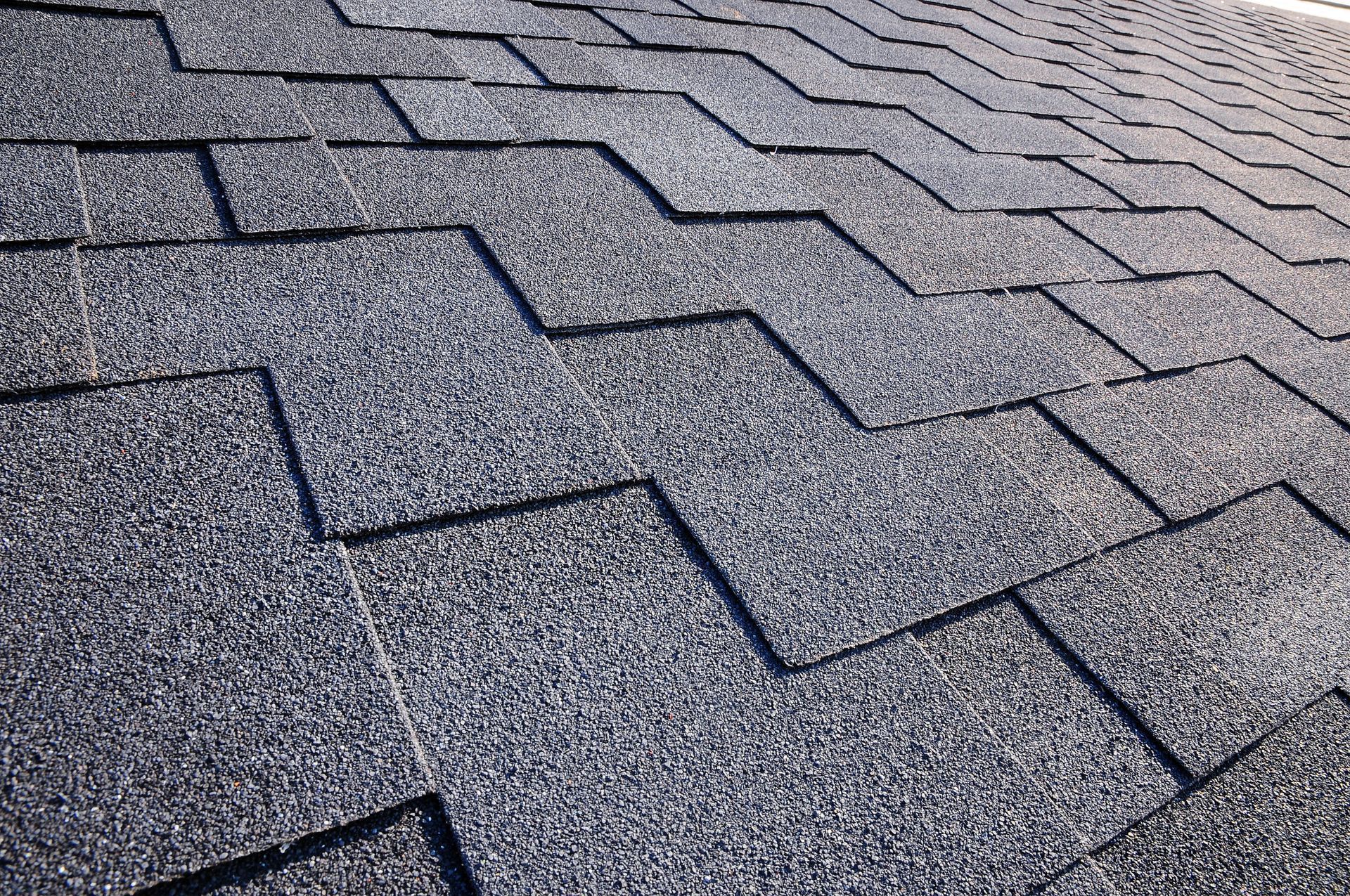
Different roofing materials have distinct expected lifespans, but all are subject to environmental stressors that shorten their effective durability. Asphalt shingles, for example, may perform well under ideal conditions but degrade more rapidly when exposed to extreme temperature fluctuations or prolonged UV exposure. Over time, protective granules wear away, leaving the underlying structure vulnerable to accelerated breakdown.
As these materials age, the likelihood of systemic failure increases, often making a full replacement a more practical solution than repeated patch repairs. Homeowners sometimes underestimate how quickly minor deterioration can escalate once multiple components begin to fail simultaneously. When adhesive bonds weaken and shingles lose structural integrity, water infiltration becomes more likely during storms, placing interior systems at risk. Evaluating material condition holistically rather than in isolated sections helps determine whether continued repairs are sustainable or whether full replacement is the more reliable long-term option.
Structural Aging and Undetected Weak Points
Beyond surface materials, the structural components beneath a roof also degrade over time. Plywood decking, trusses, and fastening systems are all exposed to slow but persistent environmental stress. Temperature shifts cause expansion and contraction cycles that gradually loosen connections and create subtle shifts in alignment. These changes are often invisible without a professional inspection.
As these hidden weak points accumulate, the roofing system loses its original strength and resilience. Moisture intrusion can accelerate this process by weakening wood fibers and promoting localized decay. In many cases, homeowners only discover these issues when interior symptoms become apparent, such as sagging ceilings or persistent moisture spots. At that stage, roof replacement is often the most effective way to restore structural integrity and prevent further damage to the home.
Aged System Performance Decline
Over time, even well-maintained roofs experience a gradual decline in overall performance. Ventilation efficiency may decrease, underlayment materials may become brittle, and flashing components may lose their ability to form watertight seals. These combined issues reduce the system's ability to manage moisture and temperature effectively.
This performance decline often manifests subtly, making it difficult for homeowners to recognize until multiple symptoms appear at once. Increased energy usage, inconsistent indoor temperatures, and minor leaks during heavy rainfall are common early indicators. Addressing these issues early can prevent more extensive deterioration and reduce the likelihood of emergency repairs. In many cases, planning for roof replacement based on system age and performance trends provides a more predictable and cost-effective outcome than waiting for visible failure.
Increased Weather Stress and Structural Deterioration Over Time
Climate Exposure and Seasonal Strain
Roofs are continuously exposed to environmental forces that gradually wear down their protective layers. Seasonal temperature swings, wind pressure, and precipitation all contribute to material fatigue. In regions with harsh winters and humid summers, these stresses are amplified, causing roofing systems to cycle through repeated expansion and contraction.
This ongoing strain weakens adhesives, loosens fasteners, and accelerates shingle degradation. Over time, these small changes accumulate and reduce the roof's ability to effectively shed water. When this happens, homeowners may begin to notice minor leaks or staining that indicate deeper structural vulnerability. In many cases, roof replacement becomes necessary not because of a single failure point, but because the entire system has been weakened by years of environmental exposure.
Moisture Intrusion and Insulation Breakdown
Water is one of the most damaging forces a roof can face, particularly when it penetrates beyond the outer layer. Once moisture enters the roofing system, it can affect insulation, wooden structures, and interior finishes. Even small, repeated leaks can lead to significant deterioration over time.
Insulation breakdown is especially problematic because it reduces energy efficiency and places additional strain on heating and cooling systems. Damp insulation loses its effectiveness, causing indoor temperatures to fluctuate more dramatically. As moisture continues to spread, it can also contribute to mold growth and wood rot, both of which compromise structural integrity. At this stage, roof replacement is often the most effective way to stop ongoing damage and restore the home's protective barrier.
Energy Efficiency Decline over Time
As roofing systems age, they often become less effective at regulating indoor temperatures. Poor ventilation, degraded underlayment, and compromised sealing all contribute to energy loss. This can result in higher utility bills and reduced comfort throughout the home.
Older roofs may also allow heat to escape during colder months and enter more easily during warmer months, placing additional strain on HVAC systems. Over time, this inefficiency becomes more noticeable as energy costs rise without a corresponding change in usage habits. Addressing these issues through roof replacement can restore thermal performance and improve overall home efficiency.
Cumulative Weather Damage Effects
Weather damage rarely occurs as a single event; instead, it accumulates gradually over time. Small areas of shingle loss, minor flashing displacement, and subtle surface wear all combine to weaken the system's overall resilience. Each storm contributes incremental stress that may not be immediately visible but still affects long-term performance.
As these effects build, the roof becomes more susceptible to leaks and structural issues during severe weather events. Homeowners may notice that storms that previously caused no issues now result in minor interior damage. This progression is a strong indicator that the system is nearing the end of its functional life, making roof replacement a practical consideration to restore full protection.
Roofing systems naturally degrade over time, and many homeowners underestimate how quickly that process can progress once multiple factors begin to interact. Age, weather exposure, and material fatigue all contribute to a gradual decline that is not always visible until significant damage has already occurred. Recognizing these patterns early is essential for maintaining both structural integrity and long-term property value. If you think your roof might need a replacement soon, reach out to Home Pro Roofing!