June 20, 2026
When it comes to roof replacement, it's crucial to understand the various factors that a professional roof contractor considers before making a suggestion. A comprehensive assessment not only ensures the longevity and safety of your home but also helps homeowners make informed decisions. This article delves into the key elements evaluated by experts to determine whether it's time for a new roof. From assessing the age to examining the local climate conditions, contractors bring invaluable expertise. By understanding the rationale behind these evaluations, homeowners can engage more meaningfully with the decisions at hand.
1. Age of the Roof
1.1 Expected Lifespan of Roofing Materials
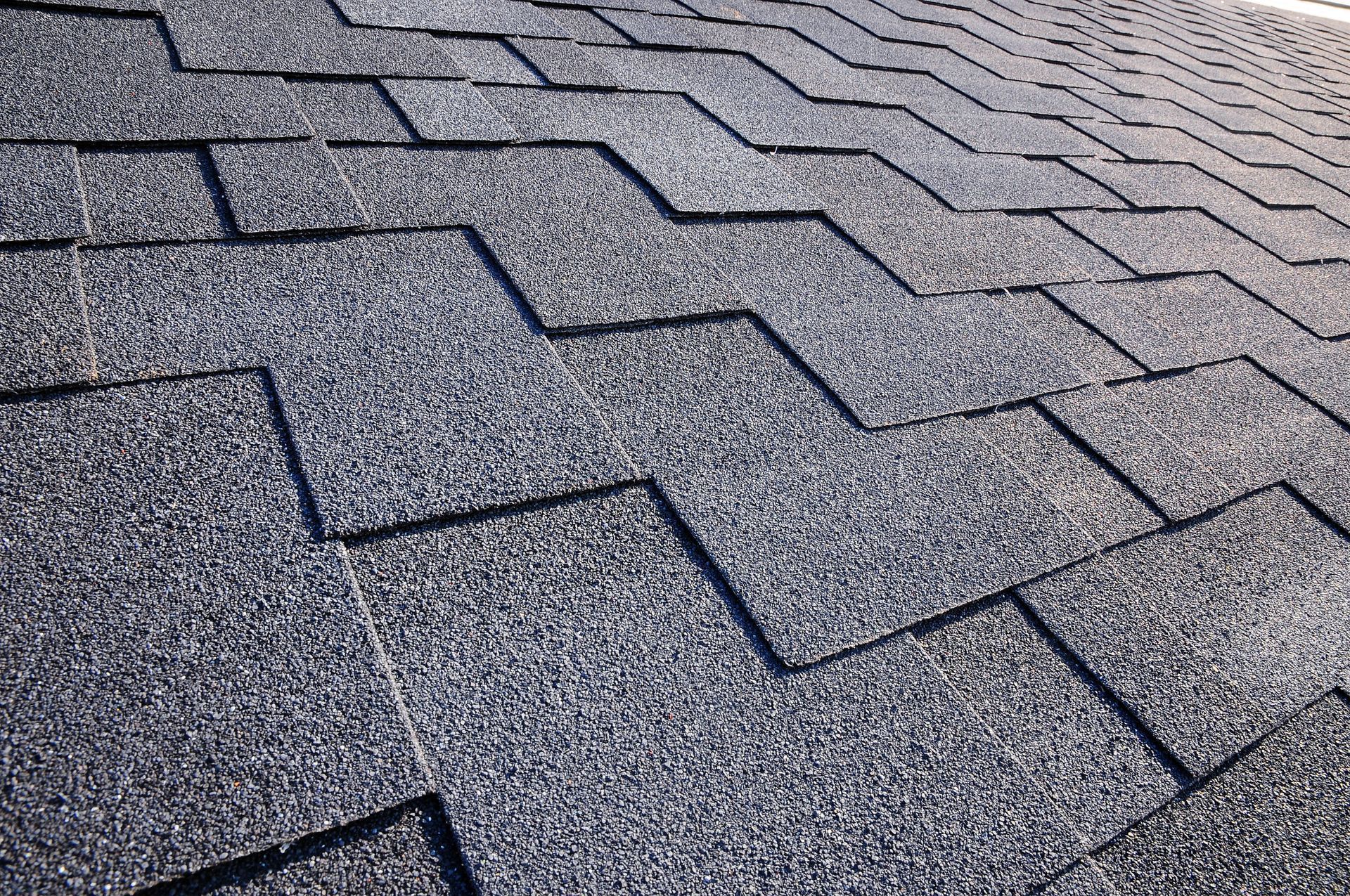
The age of the roof is one of the primary factors contractors consider when assessing whether a replacement is necessary. Roofing materials have a finite lifespan that varies significantly based on the type used; asphalt shingles, for instance, commonly last 20-25 years. In contrast, materials like slate or metal can last 50 years or more, potentially reducing the frequency of replacement. Understanding the expected lifespan of the material provides a baseline for assessing replacement needs. You can't rely solely on age; visual inspections and maintenance records also play a crucial role in decision-making.
1.2 Signs of Wear and Tear
Visible signs of wear and tear such as cracked or curled shingles, granule loss, and moss growth often indicate that a roof is reaching the end of its useful life. Contractors look for these signs as they conduct their assessments, and their presence can significantly sway the decision toward replacement rather than repair. It's not just about addressing the aesthetic drawbacks; underlying issues often accompany such visible signs. According to RubyHome, about 33% of homeowners choose to replace their roofs because of leaks, showcasing how small external symptoms can point to larger internal issues. An experienced contractor will always weigh these signs against the broader context of the roof's age and maintenance history.
1.3 Historical Maintenance Records
Examination of a roof’s maintenance records is crucial as it provides insight into its past. Contractors consider the kind of repairs made and their frequency to better understand the state of the roof. A roof that has received diligent maintenance over the years may have an extended lifespan despite any apparent signs of aging. Alternatively, a history of frequent repairs could indicate systemic issues that make replacement more cost-effective in the long run. Conversely, a lack of maintenance records can work against homeowners, potentially leading to a more conservative assessment by the contractor.
1.4 Impact of Weather Conditions
Roofs endure various weather conditions that impact their longevity, from sun exposure to wind and rain. In regions prone to severe weather, such as hurricanes or snowstorms, the wear and tear on roofs can be accelerated. Contractors assess how these conditions have historically affected the current roof to predict its future performance. Frequent exposure to harsh weather necessitates more frequent inspections and potentially earlier replacements. Thus, understanding the historical weather impact is critical in forming a strategy for either repair or replacement.
1.5 Importance of Timely Replacement
Timely roof replacement is crucial to safeguarding the integrity of a home. Postponing necessary replacements can lead to increased risks, including water damage and compromised structural integrity. Contractors emphasize that addressing roof issues promptly can save homeowners from more costly repairs down the line. Procrastination in replacement can exacerbate existing issues, making future repairs more complex and costly. Therefore, determining the right time to replace becomes a balance of weighing risks against potential costs.
2. Extent of Damage
2.1 Visual Inspection Techniques
Comprehensive visual inspections are a cornerstone of damage assessment in roofs. Skilled contractors are trained to identify potential issues that may not be immediately obvious to the untrained eye. They use specific techniques to ensure they catch signs of damage or aging that might otherwise go unnoticed. This might include examining for subtle signs of leakage or checking areas prone to water pooling, like roof valleys. Effective visual inspections help pin down the urgency and nature of the intervention required.
2.2 Common Damage Indicators
Contractors look for several telltale signs during their evaluations, such as cracked shingles, missing tiles, and visible leaks. Additional indicators of damage include sagging areas or light visible through the roof boards, which might suggest structural weakness. Understanding these indicators helps contractors diagnose the current state of the roof and decide if spot repairs or full replacements are necessary. Ideally, homeowners address these indicators promptly to minimize escalating damage. As emphasized earlier, nearly one-third of replacements come due to leaks, highlighting the importance of these evaluations.
2.3 Underlying Structural Issues
Beyond surface damage, contractors consider underlying structural issues when assessing a roof. Issues beneath the shingles, such as damaged supporting structures, can undermine the integrity of the entire roofing system. Evaluation of the roof's substrate and surrounding support structures ensures a comprehensive understanding of its condition. Even if the roofing material appears sound, underlying issues can necessitate premature replacement. This depth of evaluation provides homeowners with a thorough view of potential vulnerabilities.
2.4 Comparison with Repair Costs
Contractors weigh the cost of extensive repairs against the potential cost of replacement. In instances where repairs become frequent and costly, it may be more economical to proceed with full replacement. An experienced contractor will offer a cost-benefit analysis to determine the most practical and economical course of action. This comparison ensures that homeowners are investing their resources in the most strategic way. Such considerations often underscore the importance of timely replacement to avoid ongoing repair costs.
3. Type and Quality of Roofing Materials
3.1 Material Durability and Longevity
The type and quality of roofing materials significantly influence the decision to repair or replace. Durable materials, such as metal or tile, offer extended longevity and might not require replacement as frequently as asphalt shingles. Contractors consider the material's condition, wear patterns, and age to determine its future viability. Material quality plays an equally crucial role, with higher-grade shingles offering enhanced resistance to environmental conditions. Understanding the material used on the current roof is essential for informed decision-making regarding replacement.
3.2 Energy Efficiency Considerations
Energy efficiency is an increasingly important factor for modern homeowners, highlighting the role of roofing materials. Certain materials, like cool roofs, reflect more sunlight and absorb less heat, thus improving energy efficiency. Contractors assess whether the current roofing material contributes to energy savings and aligns with weather patterns. Energy-efficient roofs can greatly reduce cooling and heating costs, adding another layer to the cost-benefit analysis for replacement. For homeowners looking to optimize energy efficiency, this consideration can be pivotal.
3.3 Environmental Impact
The environmental impact of roofing materials has grown into an important consideration for contractors. Eco-friendly roofing options, such as recycled materials or green roofs, offer sustainable alternatives to traditional options. Contractors assess the current roof's environmental footprint and educate homeowners on greener options if a replacement is advised. Choosing environmentally conscious materials can lessen a home's carbon footprint significantly. The shift towards sustainable living solutions further emphasizes the evolving nature of modern roofing considerations.
3.4 Aesthetic and Design Preferences
While functionality is paramount, aesthetic considerations often influence roofing decisions. The choice of roof colors, textures, and styles can dramatically affect a home's overall appearance and value. Contractors assess whether the current roof aligns with the homeowner's design preferences if a replacement is considered. Compatibility with the structural and architectural style of the home is another crucial factor. Ultimately, combining aesthetics with durability contributes to a roofing solution that satisfies both functional and visual needs.
Comprehensive evaluation by roof contractors involves a multitude of factors, each playing a crucial role in ensuring a secure and durable roofing solution. By understanding these aspects, homeowners can better appreciate the complexity of the replacement decision-making process and ensure they select the appropriate solution for their roofing needs. It’s crucial to engage with licensed professionals who thoroughly assess all relevant factors and provide transparent advice tailored to each unique situation. Be sure to reach out to Home Pro Roofing today to learn more about our professional roof contractor!