November 6, 2026
Owning a home requires constant maintenance. The roof takes the brunt of severe weather, from pounding rain to blistering heat. Homeowners often don't think about this structure until an issue appears. Scheduling a professional evaluation helps catch minor problems before they escalate into expensive repairs. A comprehensive assessment examines multiple components to determine overall health. Finding the right provider for roofing services ensures the evaluation covers all exterior and interior areas.
The process involves more than simply walking across the house. Professionals follow a strict checklist to review structural integrity. They identify hidden vulnerabilities that untrained eyes miss. Regular evaluations prolong the life of materials and protect the home from water damage. Let's explore the areas professionals prioritize when evaluating a property.
Assessing Shingle Condition
The most visible part of any home is the layer of shingles. Inspectors look for missing or broken pieces that expose the underlayment. High winds tear away loose materials, creating an immediate vulnerability. Even a single missing piece allows water to seep into the layers. Professionals providing roofing services scan the surface early on to catch obvious defects and prevent further issues.
Beyond missing pieces, inspectors check for signs of advanced wear. Granule loss is a major indicator that the material is reaching the end of its useful life. These small granules protect asphalt from ultraviolet rays and provide fire resistance. When shingles lose this coating, they become brittle and crack. You might notice they're washing into the drainage system. According to Roofing Contractor, roof leaks impact about six million homes across the nation annually.
Professionals also look for curling or buckling edges. Curling happens when moisture builds up in the attic or when the material ages. Buckling indicates a problem with the deck shifting or the underlayment wrinkling. Both issues prevent shingles from lying flat, allowing wind to catch the edges. Catching these problems early prevents moisture from penetrating the deeper structural layers.
Finally, the inspector examines the surface for moss or algae growth. While algae cause cosmetic discoloration, moss holds moisture against the surface. This trapped moisture speeds up the deterioration process and rots the underlying structure. Professionals spot organic growth and recommend safe removal methods. They assess whether the growth has caused permanent damage.
Checking Flashing Integrity
Flashing consists of metal strips installed around vulnerable areas. These areas include chimneys, skylights, vents, and valleys where two planes meet. The primary purpose of flashing is to direct water away from seams and joints. Extreme temperature fluctuations cause the metal to expand and contract. This constant movement loosens fasteners or breaks the seals securing the material.
Inspectors pay close attention to the sealant around the flashing. Caulking dries out, cracks, and peels away when it's aging. Once the sealant fails, water easily finds its way behind the metal strips. Rust is another red flag that prompts concern. Corroded metal loses its integrity and fails to repel water effectively. Providers of professional roofing services include a detailed examination of every joint and seam.
Chimneys require special attention because they feature complex flashing systems. The base requires step flashing layered with the shingles and counter flashing embedded into mortar joints. If the mortar crumbles or the metal pulls away, water runs down the side of the chimney. Fixing chimney leaks requires an understanding of masonry and waterproofing techniques. A thorough inspection identifies separation points before interior ceilings show water stains.
Valleys handle a significant volume of water runoff during rainstorms. If flashing in a valley fails, the resulting leak can cause extensive damage to the framing below. Inspectors look for debris building up in the valleys, which traps moisture and accelerates corrosion. They clear away leaves to inspect the metal underneath. Identifying compromised valley flashing is a critical step in preventing structural rot.
Evaluating Gutter Functionality
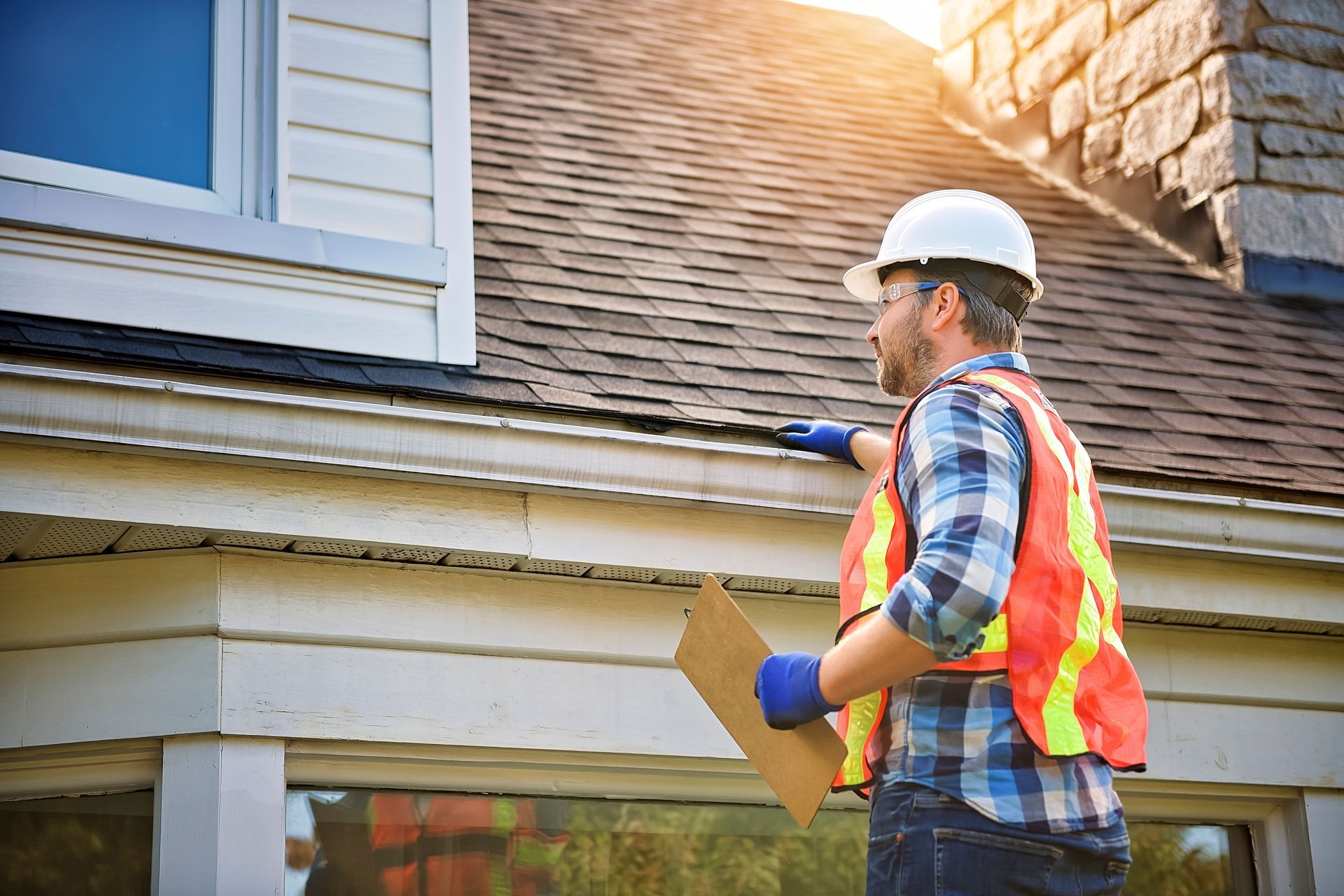
Gutters play a crucial role in directing water away from the foundation. During an inspection, professionals evaluate whether the system is attached securely to the fascia board. Heavy rain, snow, and ice pull loose gutters away from the roofline. When gutters sag, water spills over the sides instead of flowing toward the downspouts. This overflow damages landscaping and pools around the foundation.
Scheduling roofing services to evaluate the drainage system helps catch blockages early. Leaves, pine needles, and granules accumulate inside the channels over time. When channels clog, standing water accelerates rust in metal systems and adds weight to brackets. Inspectors check for standing water and signs of improper sloping. The channels must maintain a slight pitch to keep water moving smoothly.
The condition of downspouts is equally important to the overall drainage strategy. Downspouts must carry water at least three feet away from the foundation. Inspectors check connections between gutters and downspouts to ensure no leaks exist at seams. They verify that water discharges in a safe area sloping away from the structure. Poorly placed downspouts can cause basement flooding and soil erosion.
Professionals also examine the fascia board behind the gutters for water damage. If gutters overflow backward or if the drip edge fails, the wooden fascia board absorbs moisture. Soft, rotting wood can't support the weight of a water-filled drainage system. Identifying wood rot early allows homeowners to replace damaged sections before the entire gutter system collapses under its own weight.
Inspecting Attic Ventilation
Many homeowners focus solely on the exterior, but the interior holds important clues. A professional inspection includes a trip into the attic to assess the ventilation system. Proper airflow is essential for regulating temperature and moisture levels under the deck. Without adequate ventilation, heat builds up during the summer and bakes materials from underneath. This trapped heat reduces the lifespan of exterior components.
During the winter, poor ventilation leads to different problems. Warm, moist air from the living space rises into the cold attic and condenses on the underside of the deck. This condensation causes mold growth and wood rot. It also contributes to ice dams forming along the eaves of the house. An inspector measures intake and exhaust vents to ensure proper balance.
Intake vents, typically located in the soffits, pull fresh air into the space. Exhaust vents, located near the peak, allow stale air to escape. Inspectors offering comprehensive roofing services check to see if insulation is blocking the intake vents. They ensure air flows freely from the bottom of the structure to the top. A balanced system prolongs the life of materials.
While in the attic, the inspector looks for signs of daylight showing through the decking. They check around vents and chimneys for water stains on the wood. These stains indicate a leak that hasn't yet reached the ceiling of the living space. Finding these hidden issues demonstrates the value of a professional evaluation. An inspector knows how to spot subtle signs of moisture intrusion.
A thorough inspection covers everything from the structural deck to the outermost materials. Ignoring regular maintenance can result in significant property damage that requires costly emergency repairs. Homeowners who stay proactive save money and avoid the stress of unexpected leaks during heavy spring rainstorms. Scheduling seasonal checkups is a smart investment in the longevity of the house.
Professional evaluations provide a clear picture of what needs immediate attention and what doesn't. Addressing minor wear early keeps small problems from becoming severe structural failures. Reaching out to a reliable company for roofing services guarantees a safer, more secure home for you and your family.
Contact Home Pro Roofing today to schedule a comprehensive inspection and let an experienced roofing business protect your home.