November 7, 2026
A new roof is one of the largest investments you'll make in your home, so it makes sense to want the most value from every dollar. The challenge is that the cheapest option on day one isn't always the most affordable over time. Lifespan, maintenance needs, energy performance, and how well a material holds up to harsh weather all shape what a roof truly costs. According to Forbes, asphalt shingles usually last somewhere between 20 and 25 years, which gives homeowners a useful baseline for comparing other materials.
Some options cost more upfront but last far longer, while others offer modest pricing with a shorter service life. Understanding these trade-offs is the key to choosing roofing that fits both your budget and your long-term plans. Whether you're replacing an aging roof or building new, a clear picture of value helps you avoid costly regrets down the road. Below is a breakdown of the most common residential materials and what each offers for its price.
Asphalt Shingles Offer Reliable Upfront Value
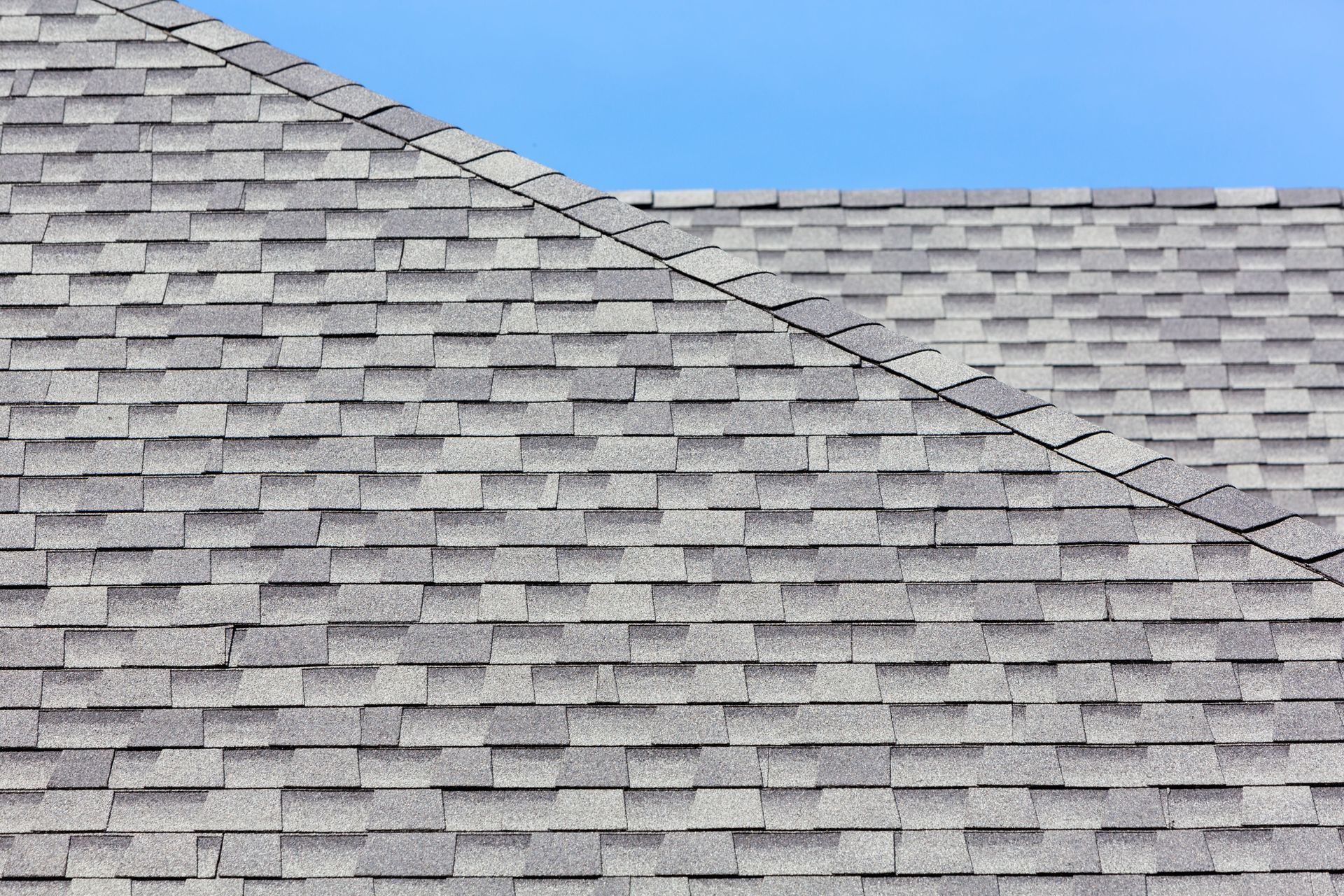
Asphalt shingles cover more homes than any other material for good reason. They're affordable to purchase, quick to install, and available in a wide range of colors and styles that suit nearly any architectural design. For homeowners who need dependable protection without a large upfront expense, asphalt shingle roofing is often the most practical choice.
Value with asphalt goes beyond the sticker price. Architectural or dimensional shingles cost a bit more than basic three-tab products, but they're thicker, more wind-resistant, and typically carry stronger manufacturer warranties. Shingles are also easy to repair, since a damaged section can usually be replaced without disturbing the rest of the roof.
That flexibility keeps maintenance costs manageable over the life of the system. If you plan to stay in your home for a decade or two, or you want a cost-effective way to boost curb appeal before selling, asphalt shingles deliver a strong balance of price, performance, and appearance.
Metal Roofs Deliver Long-Term Savings
Metal roofing carries a higher initial price than asphalt, but its longevity changes the math. A well-installed metal roof can protect a home for decades, often long enough that many homeowners will never need to replace it. When you divide the installation cost by the number of years it protects your home, metal often comes out ahead of materials that need replacing two or three times in the same span.
Metal also performs well in tough climates. It sheds snow easily, resists high winds, and won't crack or curl during repeated freeze-thaw cycles. Many metal panels reflect sunlight rather than absorbing it, which can help reduce cooling costs during the summer months.
Maintenance needs are generally low, though fasteners and seams should be inspected periodically to keep the system watertight. For homeowners who plan to stay put for the long haul, a metal roof offers one of the best returns available, especially when energy savings and avoided replacement costs are factored in.
Cedar Shake Provides Natural Curb Appeal
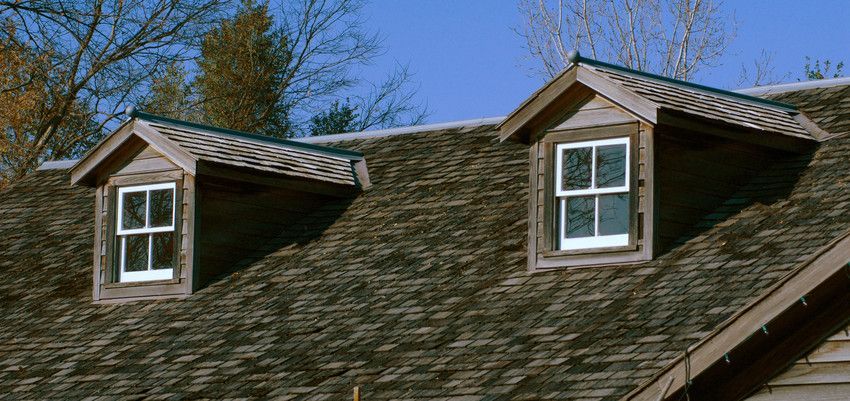
Cedar shake roofing brings a warm, rustic look that few other materials can match. It's a popular choice for historic homes, cottages, and properties where a natural aesthetic is a top priority. Cedar also has some natural resistance to insects and moisture, and it provides a bit of extra insulation compared to thinner materials.
The trade-off is maintenance. Cedar needs regular cleaning, periodic treatments, and prompt attention to moss, mold, or split shakes to reach its full lifespan. With consistent care, a cedar roof can last for decades, but a neglected one may fail much sooner. That makes cedar a strong value for homeowners who prize its appearance and are willing to commit to upkeep.
If you want a low-maintenance roof or you’re working with a tight budget, another material will likely give you better bang for your buck. Experienced professionals can help you weigh whether the look justifies the ongoing care.
Slate and Tile Bring Lasting Durability
Slate and tile sit at the premium end of the roofing market. Both materials are extremely durable, fire-resistant, and capable of lasting for generations when installed correctly. Natural slate in particular can outlast nearly every other roofing material, making it one of the most permanent options available. Clay and concrete tile also offer impressive longevity and a distinctive appearance that adds character to a home.
These materials come with considerations beyond cost. Both are heavy, so the roof structure must be evaluated and sometimes reinforced before installation. Repairs require specialized skills, since walking on slate or tile incorrectly can crack individual pieces.
For the right home and the right owner, though, the value is undeniable. If you're planning to stay in a house for the rest of your life, or you own a historic property where authenticity matters, slate or tile can be a smart investment that pays off over many decades.
Ongoing Maintenance Shapes the True Cost
The price on your installation quote is only part of what a roof will cost you. Every material requires some level of upkeep, and those expenses add up over the decades you own your home. Asphalt shingles may need periodic repairs after storms, cedar requires regular cleaning and treatments, and metal needs occasional fastener checks. Slate and tile need little routine care, but repairs must be handled by specialists.
Climate plays a major role, too. Heavy snow, ice dams, hail, and strong winds put extra stress on any roof, and materials that resist these conditions tend to save money over time. Annual inspections help catch loose shingles, damaged flashing, and small leaks before they cause expensive interior damage.
When comparing materials, it helps to estimate both the upfront price and the likely maintenance over the years you plan to stay. Looking at total cost of ownership rather than installation price alone gives you a much clearer picture of which option offers the best value.
Professional Installation Protects Your Investment
Even the best material won't deliver good value if it's installed poorly. Improper nailing, inadequate ventilation, missing underlayment, and poorly sealed flashing are some of the most common causes of early roof failure. These mistakes can void manufacturer warranties and lead to leaks, mold, and structural damage that cost far more to fix than the roof itself.
Working with an experienced roofing contractor ensures your new system is built to perform for its full expected lifespan. Professionals can assess your home's structure, ventilation, and local weather exposure to recommend the material that truly fits your needs. They also handle permits, code requirements, and cleanup, saving you time and stress.
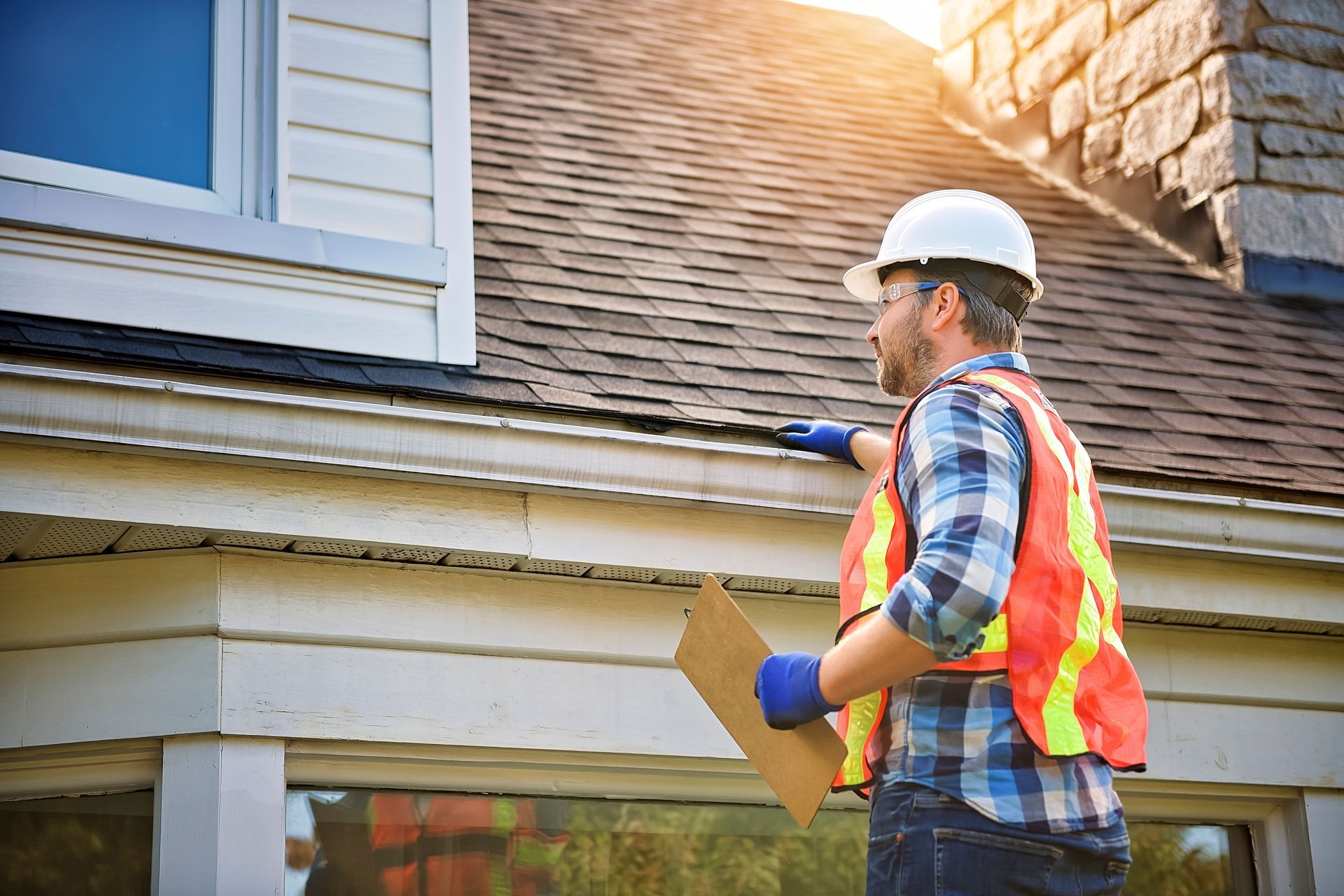
A thorough roof inspection before you commit can reveal whether a repair might buy you more time or whether replacement is the better long-term value. When it comes to roofing, the quality of the installation matters just as much as the material you choose.
The best value in a roof depends on your budget, how long you plan to stay in your home, and how much maintenance you're willing to take on. Asphalt shingles offer affordable, dependable protection, while metal, cedar, slate, and tile can deliver greater longevity or character for a higher upfront cost. No matter which material you choose, careful installation and regular inspections are what turn a good roofing decision into a great one. Taking time to compare your options now helps you avoid surprises later.
If you're weighing your options for a new roof, we're here to help. At Home Pro Roofing, we install asphalt shingles, metal, cedar shake, slate, and tile, and we back our work with full 50-year warranties. We offer free roof inspections and quotes, flexible financing, and discounts for seniors and military personnel. Contact us today to schedule your free inspection and find the roofing material that gives you the best value for your home.